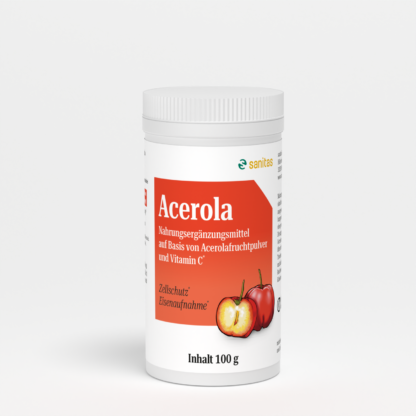
Acerola powder
Acerola powder + vitamin C
Vitamin C, chemically known as ascorbic acid, is a water-soluble vitamin and one of the most well-known nutrients. Unlike many animals, humans cannot produce vitamin C themselves and are therefore dependent on dietary intake.
Vitamin C performs numerous tasks in the body, including roles in the immune system, collagen formation, and as an antioxidant. Good natural sources are fresh fruits and vegetables, including citrus fruits, bell peppers, berries, and the particularly vitamin-rich acerola cherry.
Steckbrief
Vitamin C is among the nutrients with particularly numerous authorized health claims in the EU. Among other benefits, vitamin C contributes to:
Its link to the immune system is especially well known, which is why vitamin C is traditionally associated with cold season. Severe deficiency, historically known as scurvy, is virtually non-existent today with a balanced diet.
Vitamin C is available in many forms: as tablets, capsules, powder, or effervescent tablets, as synthetic ascorbic acid, or from natural sources such as acerola. The EU daily reference intake is 80 mg. Since vitamin C is water-soluble and not stored in significant amounts, regular intake is sensible.
Because the body excretes excess vitamin C, when taking higher amounts it is preferable to distribute them throughout the day rather than taking a large dose all at once. Follow the intake recommendations on the respective product.
Vitamin C is considered very well tolerated. Very high amounts can lead to gastrointestinal discomfort, such as soft stools, in sensitive individuals, as excess vitamin C is excreted via the intestines and kidneys. In such cases, simply reducing the intake is sufficient.
Individuals prone to kidney stones (oxalate stones) or with iron overload disorders should consult their physician before taking high supplementary doses of vitamin C, as vitamin C increases iron absorption. For healthy individuals, intake aligned with daily requirements is safe.
Acerola powder + vitamin C
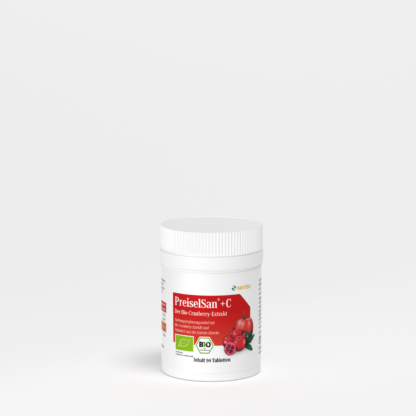
Organic cranberry extract + organic acerola vit. C
Vitamin C contributes to the normal function of the immune system. That supplemental intake reliably prevents colds is not scientifically proven. Studies focus primarily on potential effects on the duration and course of cold symptoms, with inconsistent results.
The EU reference intake is 80 mg per day. Requirements can generally be met well through fresh fruit and vegetables. When taking higher amounts from supplements, it is preferable to spread them throughout the day.
Chemically, ascorbic acid is identical, regardless of its origin. Natural sources such as acerola, however, provide the vitamin together with other plant compounds. While natural origin is an important criterion for many users, a definitive, measurable advantage has not been conclusively established.
Fachliche Prüfung
Prof. Dr. med. Dr. phil. Martin Hörning
Arzt, Professor i.R. und Mitbegründer von sanitas
Seit 40 Jahren beschäftigt er sich intensiv mit den Themen Prävention, Gesundheitsförderung, Achtsamkeit, Longevity und Naturheilverfahren. In Herstelle führt er eine kleine Privatpraxis.